
Walkersville · New Market
Prepare cabinet quotes for an actual Middletown room
Bring your project details together before considering a cabinet purchase.
Send my cabinet inquiry
Or call (562) 203-3232. Calls only, we do not receive text messages.
Cabinet quotes in Middletown should reflect the room in front of you, especially when an older layout or delivery path may resist assumptions. Frederick Cabinet Field helps buyers convert observed dimensions, openings and product needs into a clearer inquiry.
- Independent buying guidance
- Product inquiries
- Seller availability confirmed separately
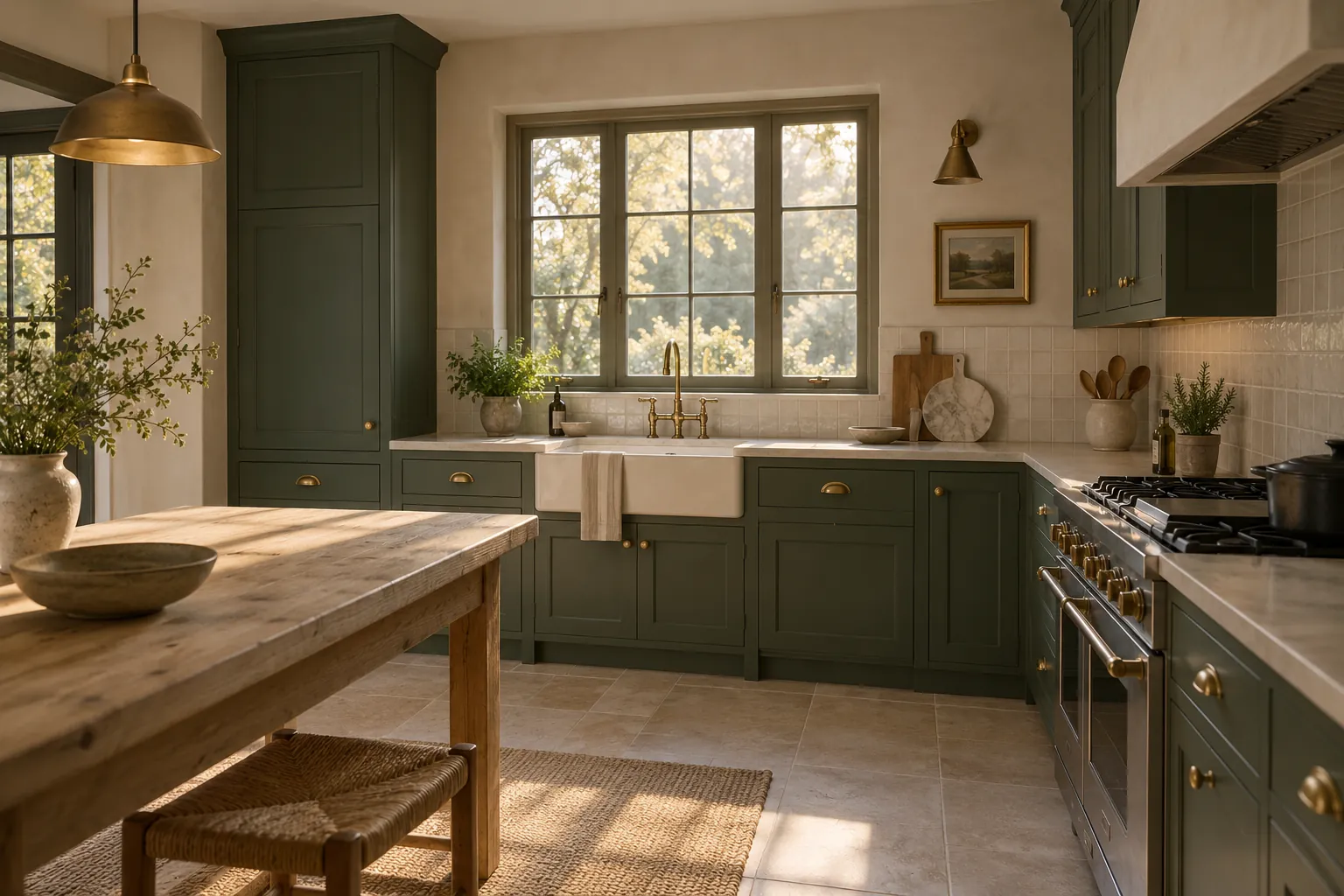
Cabinet purchase preparation in Middletown
Middletown history supplies context, not a description of every address. This independent information service does not measure, sell or install cabinets. Confirm the property, final plan, supplier acceptance and any separate professional work before treating a request as ready to purchase.
About Frederick Cabinet Field
Know who handles each part
Independent cabinet buying information and quote-request service. We do not manufacture, stock or install cabinets. A referral, supplier response, appointment or purchase is not guaranteed. Product availability, delivery and installation must be confirmed directly with the seller or separately engaged contractor.
Use Middletown history without labeling the property
Maryland's historic inventory says the district developed along the Old National Pike and includes late Victorian dwellings associated with eastward expansion. Those statements concern the documented district. They do not prove that the inquiry address falls within it, identify a home's age or impose a cabinet rule.
The responsible use of that context is to ask what is actually present. Verify the address, room and larger project scope. If exterior work or a designated property matters, consult the appropriate authority. Frederick Cabinet Field does not interpret historic status. Its guide focuses on preparing a product purchase from measured facts rather than attaching broad conclusions to a town name.
Measure irregular conditions instead of correcting them on paper
Record each wall run independently and measure openings from consistent corners. Note trim, projections, ceiling changes and floor conditions that reduce space. Check widths at more than one height where the room appears out of square. A neat digital drawing can conceal variation if it replaces observations with ideal right angles.
Label every buyer measurement preliminary. Ask the seller and any separately engaged installer who must perform final verification. When a filler or scribe area may absorb variation, show it as a design decision rather than an unlimited cure. Do not release products merely because the layout looks balanced on a screen.
Build around retained appliances and openings
Gather model information for appliances that will remain and use manufacturer instructions for their actual requirements. Draw door swings, window trim and room entrances. Check whether appliance handles or cabinet doors compete for the same space. If a new appliance is undecided, keep the surrounding units conditional.
Mark plumbing, vents and electrical points without assuming they can be relocated. A cabinet inquiry can describe a preferred arrangement while stating which changes need separate evaluation. That clarity lets a potential seller understand the purchase without being mistaken for the party approving construction or utility work.
Middletown cabinet price comparisons need one scope
No numerical town price has been measured. Ask sellers to price the same dated drawing, unit schedule, finish, construction and accessories. Identify panels, fillers, trim and hardware instead of relying on a broad complete label. Where an alternative changes function, keep it outside the base comparison.
Add assembly, pickup or delivery, carrying, storage and installation as separate responsibilities. An older or constrained route may affect logistics, but this guide does not invent a local surcharge. Confirm actual package size and seller terms. Compare payment, changes, returns and warranties along with the product total.
Trace the receiving route before choosing format
Describe doors, stairs, turns and the intended storage point from direct observation. Ask for packaged dimensions for the selected product. RTA cartons and assembled boxes can present different route and labor questions, but neither format guarantees easier handling at the particular address.
Identify who receives, counts and inspects the shipment under the seller's process. Keep labels with the schedule so products remain assigned to the right wall. If carrying beyond the handoff is needed, arrange it explicitly. The inquiry service does not transport goods, provide storage or settle damage claims.
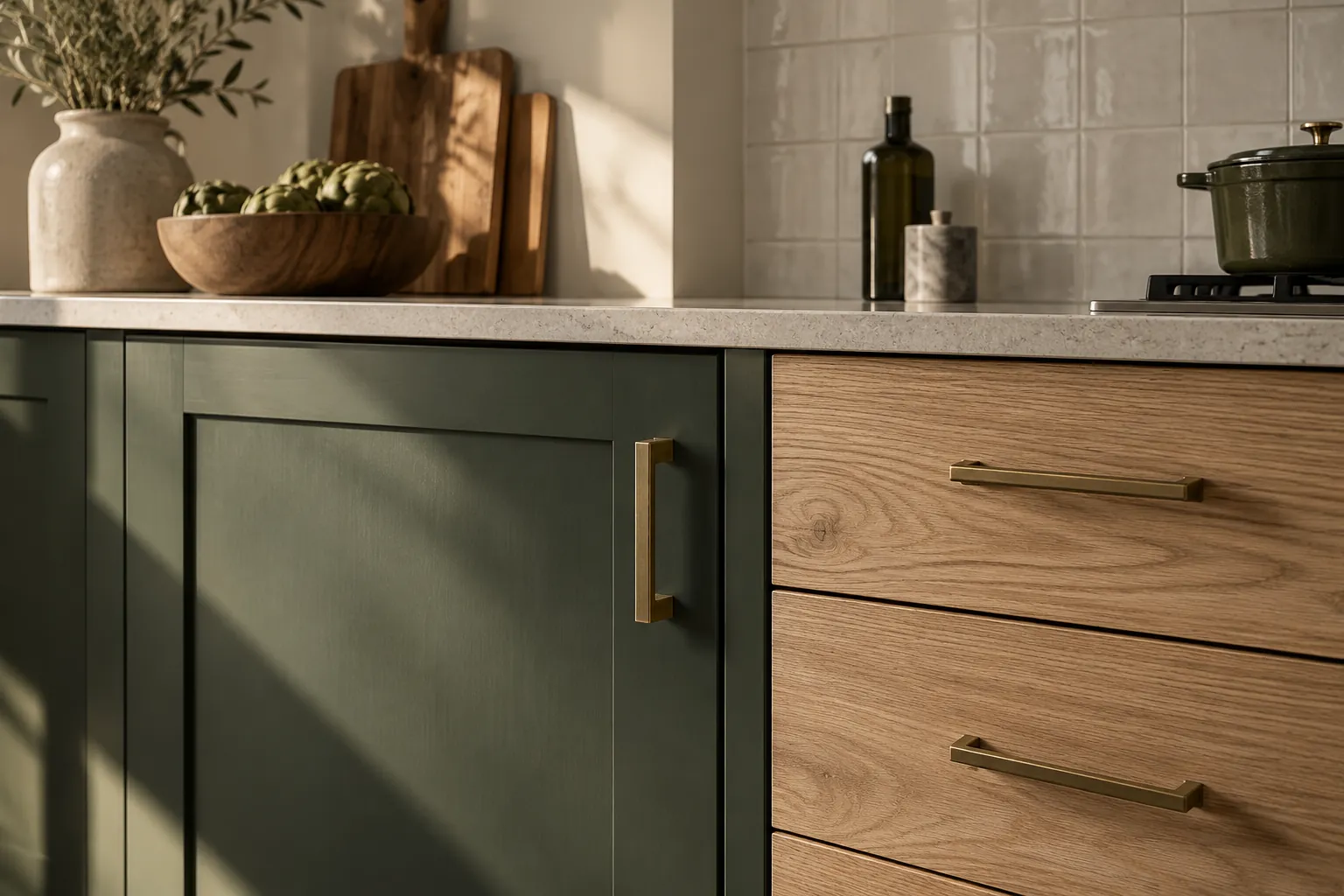
Keep property decisions visible in the order record
Ask whether an owner, landlord or association must approve any part of the wider project. Separate those decisions from the cabinet seller's product role. A historic inventory entry does not itself establish an approval, exemption or restriction for the interior purchase.
Record unresolved conditions beside affected units. If a proposed exterior opening or utility change could alter the layout, do not approve the cabinet schedule until the responsible parties settle it. Preserve their confirmations with the final drawing. The goal is a purchase record that shows what was known, who decided it and which revision was authorized.
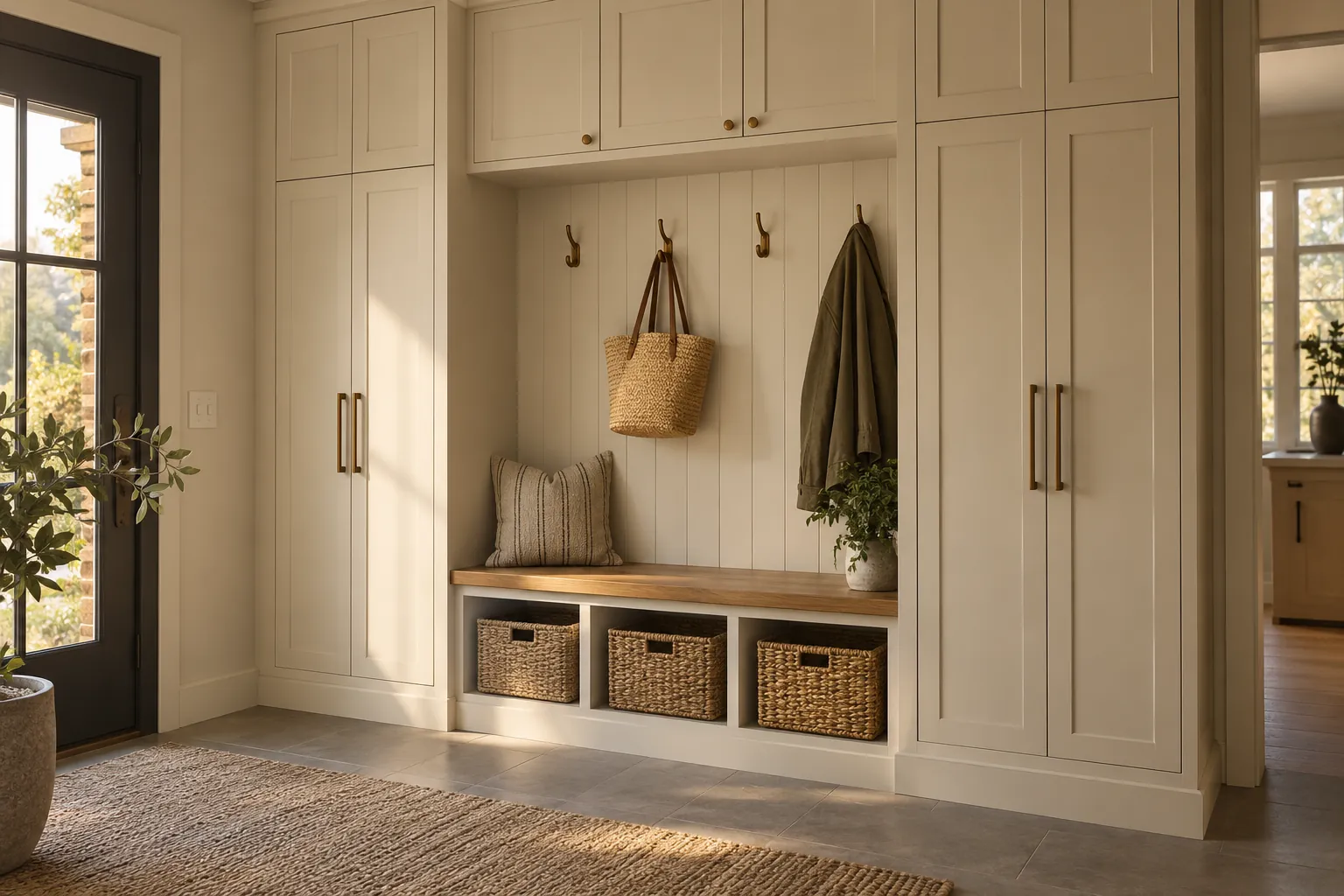
Send a Middletown inquiry that acknowledges uncertainty
Provide the project ZIP, room purpose, approximate unit list and planning stage. Include a labeled sketch and the most relevant access facts. State whether you need product comparison, an alternate configuration or a later seller quote. Point out unverified dimensions and decisions rather than disguising them as final.
Frederick Cabinet Field can receive the information, yet no supplier response or accepted location is guaranteed. If a seller participates, verify its identity, products, measurements process, price and logistics directly. Obtain separate contracts for labor and keep the final approved documents together before purchase.
Compare finish choices in the room's real light
Ask a seller for physical samples where available and view them near the surfaces that will remain. Daylight, electric lighting and screen settings can make the same named color appear different. Record the exact finish code on the schedule; do not approve it from a generic web photograph or an illustrative image on this site.
Check whether trim, panels and touch-up materials use the same finish system. If matching an existing element matters, describe the goal as a preference until the actual samples are reviewed. A seller should explain its sample and return terms. The inquiry channel offers no color guarantee and does not represent a manufacturer.
Prepare alternatives without losing the base decision
When a narrow run or opening limits the first choice, ask for one clearly labeled alternative at a time. Keep the appliance position, storage priority and finish constant where possible so the effect of a width or configuration change can be understood. Record any connected filler, panel or trim adjustment.
Do not merge both versions into one drawing. A seller should quote the selected base and state the alternate difference. If either option depends on field verification, preserve that condition. This approach turns a difficult room into explicit choices while avoiding the false impression that every shown unit belongs in the final order.
Inquiry process
From buying questions to a possible supplier quote
Sending an inquiry does not reserve products or book work.
Describe the purchase
Include project ZIP, room, approximate cabinet list and preferred timing.
Clarify requirements
Identify assembly, access, measurements and any separately arranged labor.
Confirm referral availability
An inquiry can be referred only if a suitable seller accepts the location and product request.
Review seller terms
Confirm the final drawing, itemized price, payment, delivery and return terms directly before ordering.
Illustrative product choices
Illustrative product visualizations, not completed work, local properties or supplier facilities.
Local buying information
Other local buying guides
Questions
Middletown Questions
Does the Middletown historic district describe my house?
Not by itself. The state inventory provides district context, not a property determination. Verify the address and scope with the proper source. Do not infer age, regulation, dimensions or construction from the town label.
How do I document a room that is not square?
Record wall runs and openings from consistent references, note where widths vary and mark preliminary observations. The seller or installer should explain final verification. A filler can be discussed, but should not conceal an unmeasured condition.
Should I choose RTA because the route is narrow?
Packaging may matter, but obtain the actual carton and route dimensions first. Also account for assembly workspace, labor and product instructions. A category label cannot prove that a specific order fits through the property.
Are local cabinet prices lower for a smaller town?
No local comparison has been established. Price the actual product list and logistics through a seller, then compare equal scopes. Town size does not establish a discount, freight amount or supplier policy.
What does submitting an inquiry authorize?
It asks for possible follow-up under the site's stated privacy terms. It does not authorize an order, property work, supplier handoff without applicable consent, delivery or installation. Review any later business terms before proceeding.
Talk to us about your project in Middletown
Describe the purchase and project ZIP in Frederick. Supplier acceptance and any referral are confirmed separately; no visit or quote is booked by this form.
Calls only, we do not receive text messages.