
Middletown · Walkersville
Prepare cabinet quotes for a New Market address
Bring your project details together before considering a cabinet purchase.
Send my cabinet inquiry
Or call (562) 203-3232. Calls only, we do not receive text messages.
Cabinet quotes in New Market should distinguish the actual property from the broad historic identity of the town. Frederick Cabinet Field helps buyers document room geometry, product quantities and delivery access without assuming that every address shares the same age or conditions.
- Independent buying guidance
- Product inquiries
- Seller availability confirmed separately
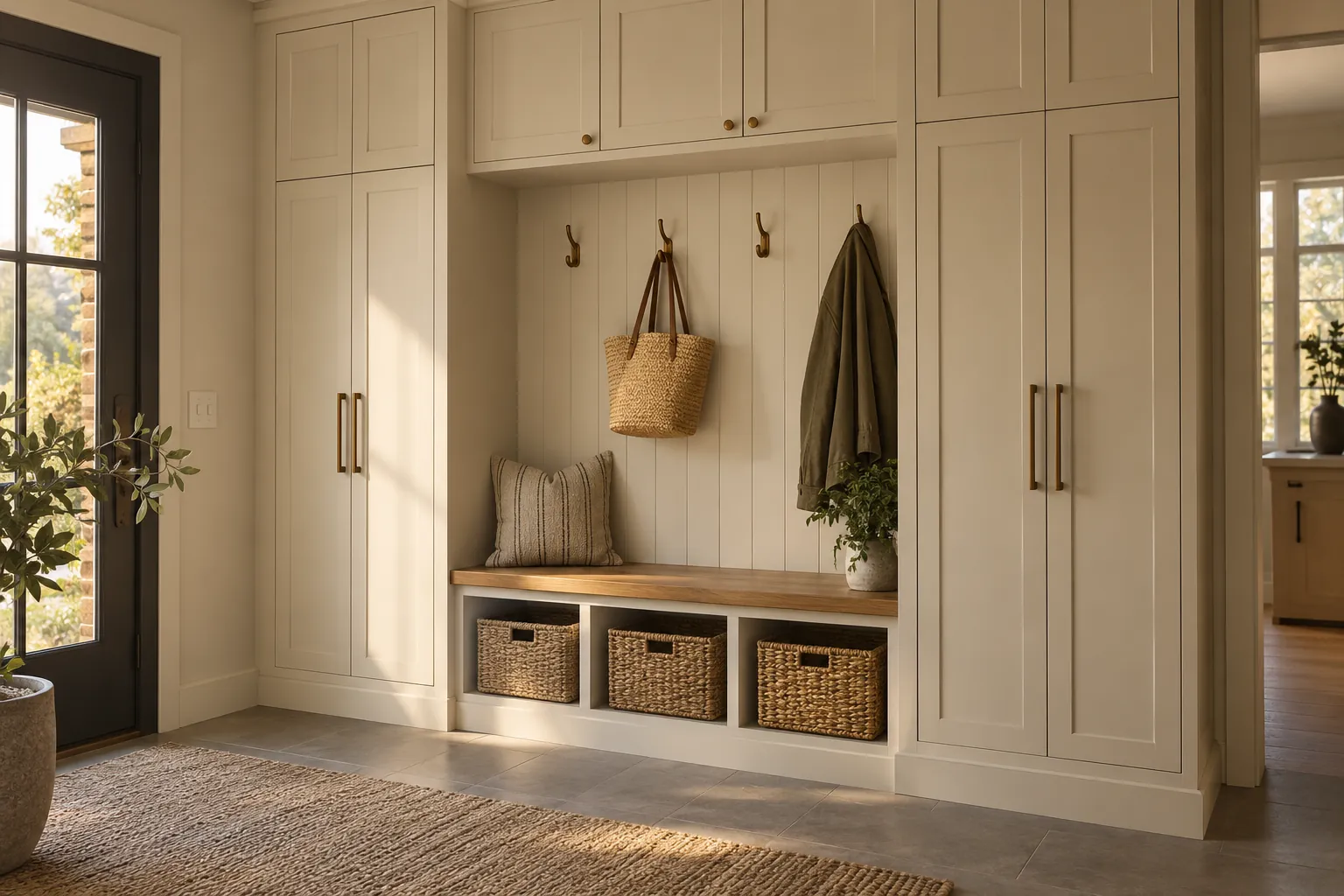
Cabinet purchase preparation in New Market
This is independent buying information and an inquiry route, not a supplier or property review service. Use the local context to ask better questions, then have the seller and separately engaged professionals verify dimensions, approvals, logistics and contract responsibilities.
About Frederick Cabinet Field
Know who handles each part
Independent cabinet buying information and quote-request service. We do not manufacture, stock or install cabinets. A referral, supplier response, appointment or purchase is not guaranteed. Product availability, delivery and installation must be confirmed directly with the seller or separately engaged contractor.
Treat the historic district record as context
Maryland's inventory identifies a New Market historic district in Frederick County and records a construction period from 1790 to 1900. Those facts describe the listed district. They do not establish that a particular mailing address is within it, date an individual building or prove that a cabinet purchase faces a review requirement.
Verify the property and scope through appropriate sources when designation matters. Keep interior product selection separate from any exterior alteration or regulated work. Frederick Cabinet Field does not interpret preservation rules. The useful inference is simply that town-wide assumptions are unsafe when the documented historic center and surrounding development may present different rooms and routes.
Build the plan from the specific room
Measure wall runs, openings and fixed obstructions from consistent references. Note changes in ceiling height, trim and floor level. Record appliance and plumbing positions as observed, and identify who must perform final field verification. Avoid making walls square in the drawing merely to simplify the cabinet schedule.
For a newer repeated plan, still confirm the unit and any owner changes. For an older room, do not declare irregularity without measurement. List storage needs and retained appliances before arranging cabinets. A proposal should solve the known room, not a generalized picture of New Market housing.
Use fillers and panels as explicit decisions
Where walls, openings or adjacent objects affect a run, show the planned clearance and filler rather than burying it in a total. Mark exposed cabinet sides and finished backs. Ask how the proposed line handles scribes, trim and transitions, and keep those parts on the item schedule.
A filler can provide working clearance or adjustment space, but it cannot excuse an unverified layout. Have responsible parties confirm final conditions and appliance requirements. If a panel or trim piece needs field cutting, establish who supplies that labor and how it affects finish or warranty terms. This guide does not perform fabrication.
New Market cabinet pricing requires comparable documents
No numerical local cost has been established. Request a written total tied to the same drawing revision, quantities, construction, finish and accessories. Ask what is included for fillers, panels, hardware and trim. Keep optional storage upgrades and alternate finishes separate so their price effects remain understandable.
Add assembly, pickup or delivery, carrying, storage and installation as distinct scopes. Ask about taxes, deposits, changes, cancellations, returns and damage procedures. A lower supply figure may transfer necessary tasks to the buyer. Compare the actual written purchase rather than assuming location, building age or district context determines price.

Verify the route for the chosen package format
Inspect doors, porches, halls, stairs and turns at the actual address. Then ask the seller for packaged dimensions for the proposed units. Assembled boxes and RTA cartons create different questions, but neither label proves access. Include workspace and labor if assembly will happen after delivery.
Define the handoff point and person who receives the goods. Ask how cartons are counted and how visible damage must be reported. Provide a protected storage plan based on manufacturer instructions. The locality guide does not operate transport, carrying or storage and cannot guarantee a replacement for damage.
Resolve property responsibilities before release
Identify the owner and any association, landlord or manager whose permission affects the broader project. Ask an appropriate authority about designation or exterior scope only when relevant to the actual address. The state inventory is not permission for work, evidence of a restriction or a substitute for property-specific review.
Keep unresolved utility, opening and structural decisions attached to the layout. If one could change a cabinet width or appliance position, delay approval of the affected order lines. Preserve confirmations with the final revision. A clean decision record protects the buyer from treating a preliminary concept as a settled purchase.
Send a New Market inquiry with a clear evidence boundary
State the project ZIP, room, preferred product type and planning stage. Attach a sketch and unit list if available. Identify dimensions that are preliminary, the party expected to verify them, and access details that have been observed. Explain your top product questions instead of claiming the room is order ready.
Frederick Cabinet Field accepts cabinet inquiries without promising a supplier match, quote or accepted territory. If a seller responds, verify its products, stock, price, payment and logistics directly. Obtain separate written scopes for field work. The final purchase should rest on seller documents and address-specific facts, not the town's historic reputation.
Protect the final schedule from visual assumptions
Renderings can help a buyer understand massing and finish, but the item schedule should control quantities and product identity. Trace each visible cabinet to a code and confirm exposed surfaces, trim and accessories. Ask for clarification when an image shows an element that the written proposal does not list.
Keep samples, appliance specifications and the approved revision with the order. If a decorative choice changes, verify whether construction or dimensions changed with it. This discipline matters in any building age. It avoids turning a persuasive picture into unsupported evidence that every component, fit condition or finish is included.
Ask how future replacements are identified
Record manufacturer, line, door, finish and hardware codes supplied with the accepted order. Ask the seller what documentation accompanies the products and how a later warranty or replacement inquiry begins. Keep those records with the room schedule instead of relying on a color name remembered years later.
No future availability can be promised. A finish may change or a line may be discontinued, so the record is evidence of what was purchased rather than a guarantee of a match. This is especially useful when several rooms or phases use similar appearances but different product specifications.
Inquiry process
From buying questions to a possible supplier quote
Sending an inquiry does not reserve products or book work.
Describe the purchase
Include project ZIP, room, approximate cabinet list and preferred timing.
Clarify requirements
Identify assembly, access, measurements and any separately arranged labor.
Confirm referral availability
An inquiry can be referred only if a suitable seller accepts the location and product request.
Review seller terms
Confirm the final drawing, itemized price, payment, delivery and return terms directly before ordering.
Illustrative product choices
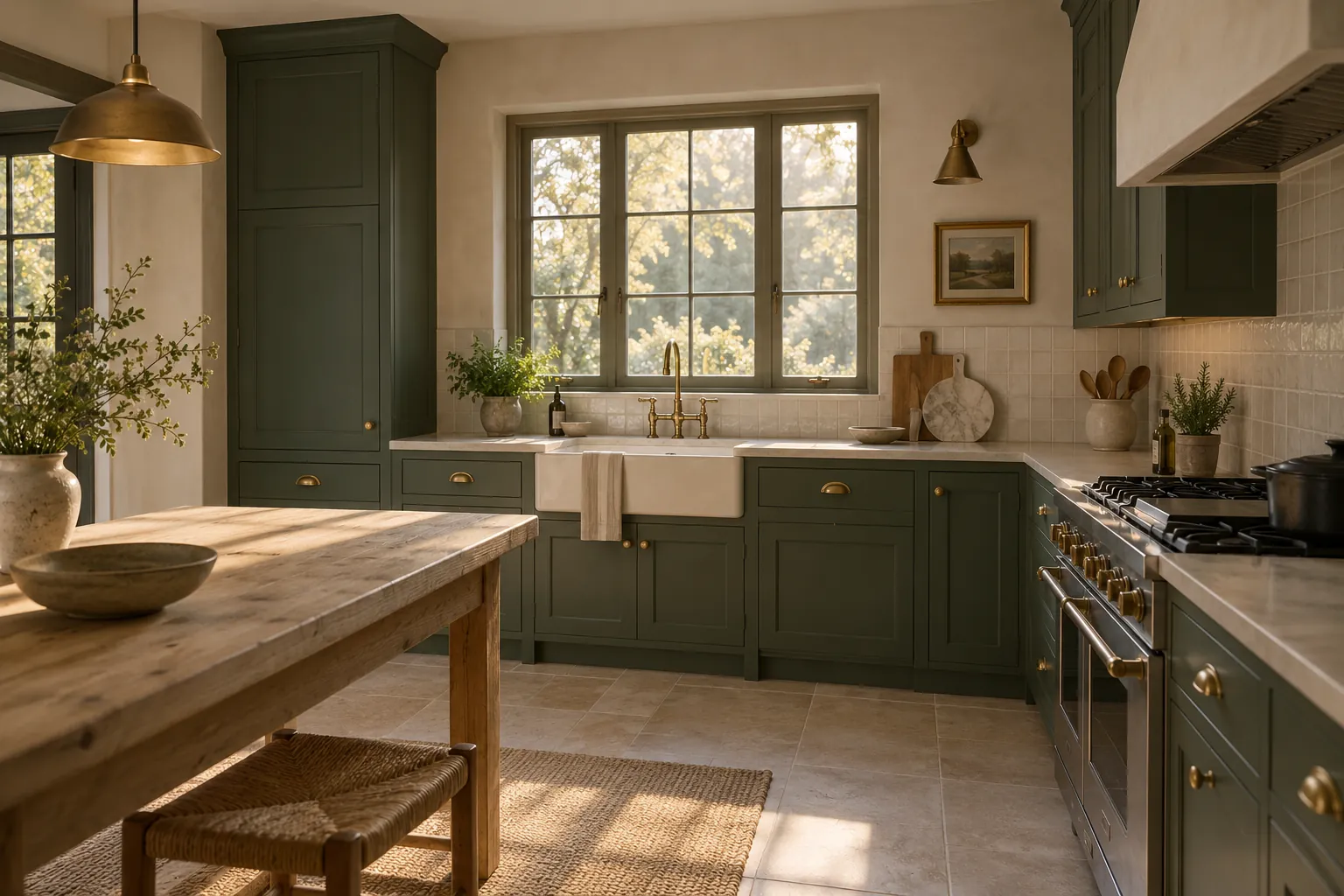
Illustrative product visualizations, not completed work, local properties or supplier facilities.
Local buying information
Other local buying guides
Questions
New Market Questions
Is every New Market property in the historic district?
The cited inventory does not establish that. It identifies a listed district and its recorded construction period. Check the actual address and scope through appropriate channels rather than applying district facts to the whole mailing area.
Should older-room assumptions change my cabinet order?
Measurements and verified conditions should change it, not assumptions. Record walls, openings, services and access at the property. Then ask the seller and installer what final verification they require before ordering.
Can a filler solve an out-of-square wall?
A properly planned filler may provide adjustment or clearance, but its size and use must be based on verified conditions and the product design. It does not make preliminary dimensions final or transfer installation responsibility to this guide.
Does historic context increase cabinet prices?
No local price effect is established. Product scope, finish, quantities, assembly and logistics influence the actual proposal. Obtain itemized seller and labor terms for the address rather than assigning a premium from a locality label.
What is confirmed when I send the inquiry?
Only that you have submitted information through the stated channel. No inventory, seller acceptance, property approval, delivery or installation is created. Review any response and contract directly before relying on it.
Talk to us about your project in New Market
Describe the purchase and project ZIP in Frederick. Supplier acceptance and any referral are confirmed separately; no visit or quote is booked by this form.
Calls only, we do not receive text messages.