
Choose between RTA and assembled cabinets in Frederick
Compare assembly requirements alongside cabinet construction and order details.
Send my cabinet inquiry
Or call (562) 203-3232. Calls only, we do not receive text messages.
RTA and assembled cabinets in Frederick shift work, packaging and risk in different ways. Frederick Cabinet Field helps buyers compare the actual box construction, assembly responsibility, carton handling and receiving plan instead of assuming one format is always better.
- Independent buying guidance
- Product inquiries
- Seller availability confirmed separately
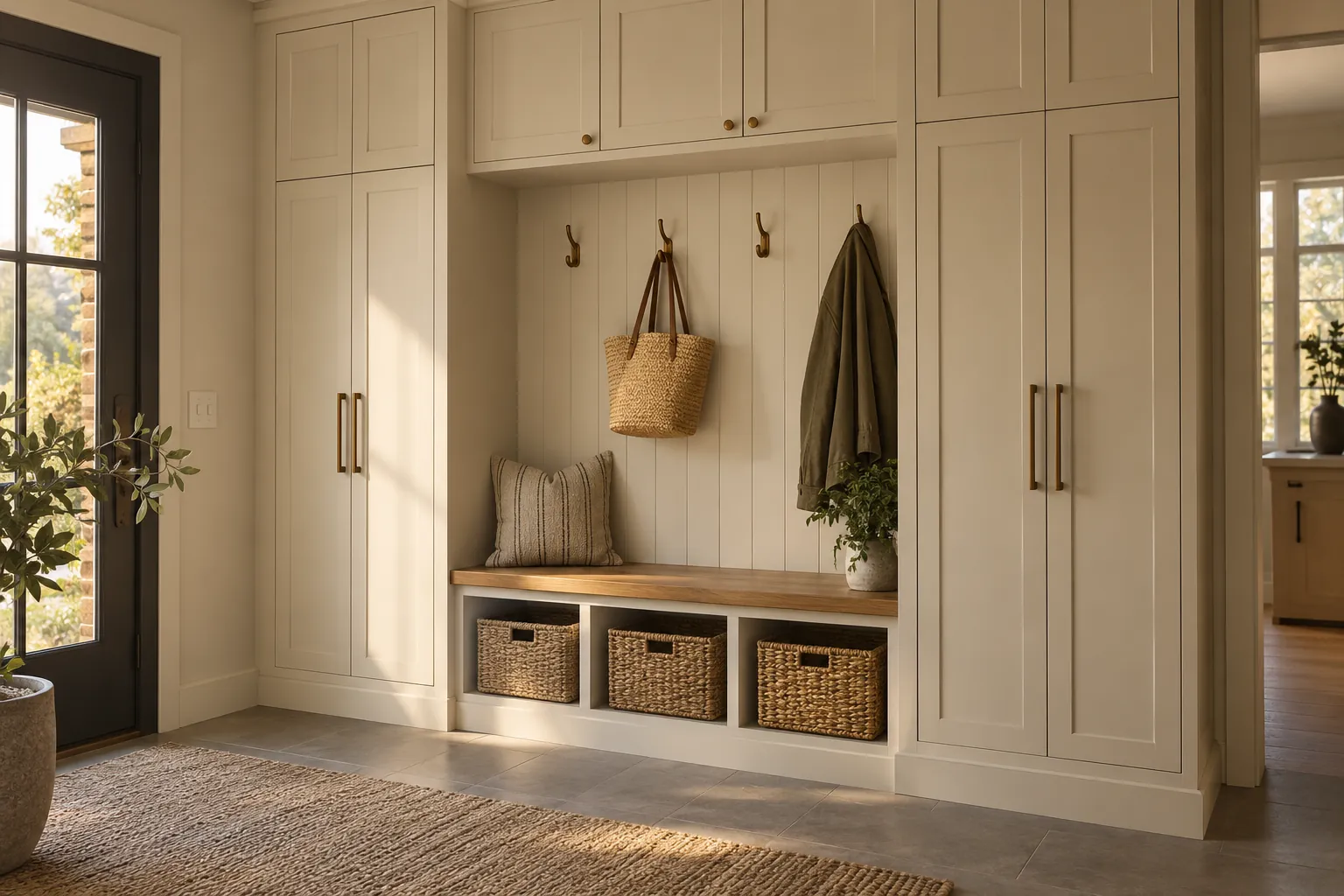
Buying questions: rta and assembled cabinet buying
This independent guide does not stock either format or supply assembly and installation. Manufacturer instructions and seller terms govern the selected product. Use an inquiry to describe the order you are considering, then require direct confirmation of availability, price, delivery and responsibility before purchase.
About Frederick Cabinet Field
Know who handles each part
Independent cabinet buying information and quote-request service. We do not manufacture, stock or install cabinets. A referral, supplier response, appointment or purchase is not guaranteed. Product availability, delivery and installation must be confirmed directly with the seller or separately engaged contractor.
Define RTA and assembled for the exact product
Ready to assemble generally describes units shipped as parts for later assembly, while assembled units arrive with the cabinet box put together. That distinction is only a starting point. Ask whether drawers, doors, shelves and hardware are installed, packaged separately or require adjustment. Confirm whether tall and specialty units follow the same format as the rest of the line.
Request product-specific assembly instructions before deciding who can perform the work. Count the tools, work surface, lifting and inspection steps those instructions require. A seller's label should not be stretched into a universal quality judgment. Two products offered in the same format can use different joinery, backs, hardware and finishes, so compare construction evidence and the written specification as well as packaging style.
Match the format to available labor and space
An RTA purchase needs a planned assembly location that stays dry, protects finished parts and leaves room to square the box. Identify who will open cartons, check components, follow instructions and deal with a missing or damaged piece. If hired labor is involved, obtain its scope separately and ask whether correction or disposal is included.
Assembled units reduce some site assembly work but occupy more volume and may demand a different carrying route. Measure the relevant openings and turns with the responsible delivery and installation parties. Do not infer access from a product photograph or a room dimension alone. The practical question is which combination of packaging, labor and route suits the actual address under confirmed terms.
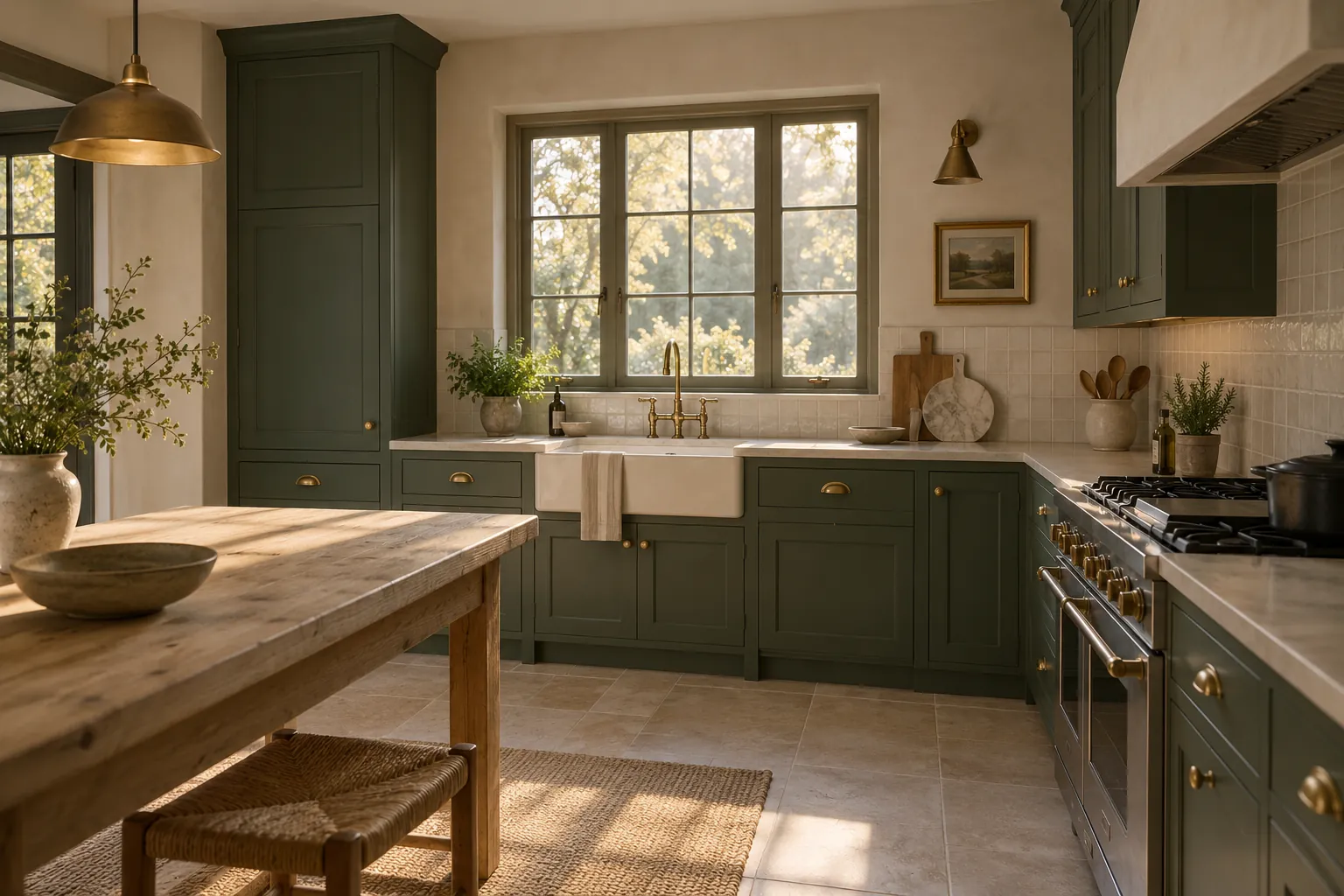
Inspect the written construction specification
Ask for the material and thickness descriptions used for sides, backs, shelves and drawer components. Review hinge and slide information, exposed finish treatment and adjustment instructions. If a seller makes a certification claim, request documentation tied to the exact line. KCMA's discussion of ANSI/KCMA A161.1 identifies a kitchen and vanity cabinet performance standard, but it does not certify every unit offered to a Frederick buyer.
Consider how assembly affects warranty administration. Ask whether self assembly, third party assembly or modification changes coverage, and keep the applicable written terms. This page does not determine durability from the words RTA or assembled. A meaningful comparison links the construction, correct assembly requirements and intended use rather than assigning a blanket rank to either format.
RTA and assembled cabinet price factors
No numerical local range is established. The cabinet total can vary with unit quantities, sizes, construction, finish, accessories and assembly status. An RTA line may move labor to the purchaser, while an assembled line may change packing volume or freight handling. Ask the seller to itemize products and identify exactly where its responsibility ends.
Add separately quoted assembly, pickup or delivery, carrying, storage and installation before comparing the complete purchasing plan. Include tools, protective workspace and disposal if they matter to your chosen approach. Review taxes, payment timing, changes, cancellations and damage procedures under the seller's terms. A lower product subtotal is not automatically the lower completed cost when necessary labor and logistics sit outside it.
Plan receiving and inspection before shipment
List the number and type of packages expected, the agreed handoff point and the person authorized to receive them. Ask when visible damage or missing cartons must be reported and what evidence the seller requires. Do not promise that boxes can remain outdoors, in a vehicle or in an unconditioned space; obtain the product's actual storage directions.
For an assembled order, confirm how large units pass through the route. For RTA, make sure labels can remain associated with their wall or room after opening. Photographing sealed condition and keeping a count may help follow a seller's process, but the seller's written claim procedure controls. Frederick Cabinet Field does not transport, receive or insure goods.
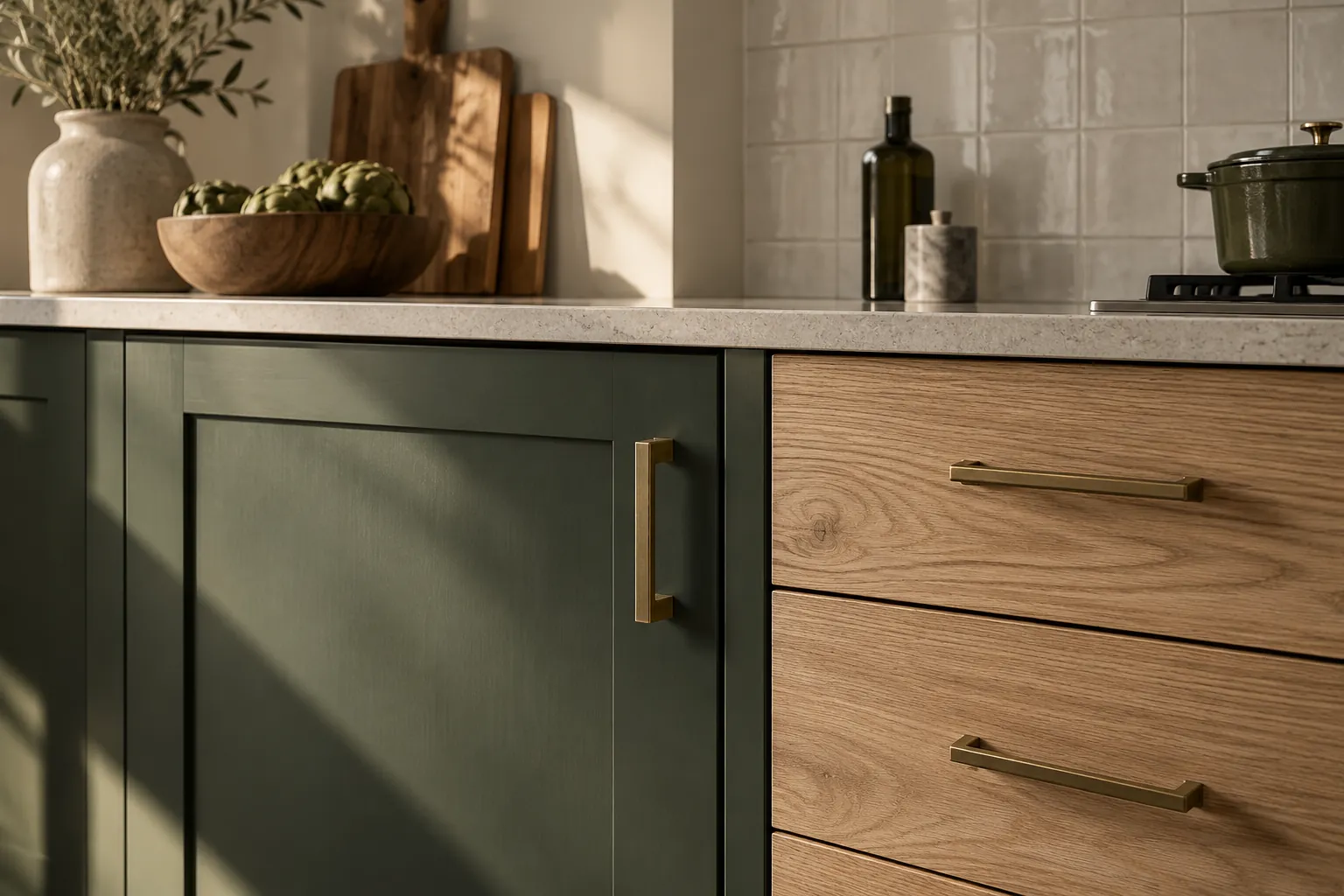
Connect the choice to the final drawing
The order schedule should state the assembly format for every unit and accessory. Check whether finished panels, fillers and trim arrive ready to place or need separate preparation. Identify any unit that differs from the general order, such as a tall cabinet shipped knocked down while bases arrive assembled. That exception can affect labor sequencing and staging.
Have the responsible seller and installer review the same revision before purchase. A layout can fit on paper while the selected packaging creates an access problem. Conversely, an RTA carton may pass through an opening that an assembled box does not, but that conclusion needs real product and route dimensions. Record the assumptions instead of allowing format labels to stand in for measurements.
Use the inquiry to expose unanswered responsibilities
Describe the room, project ZIP, likely unit count and preferred format. State who you expect to assemble and install, even if those roles remain undecided. Ask the potential seller for its product instructions, packaging details, available options and handoff terms. Do not say the order is ready when appliance choices or final dimensions are unresolved.
A request through Frederick Cabinet Field may or may not reach a suitable seller, and no response or inventory is promised. If a business engages, confirm the final line, drawing, quantities, payment and logistics directly. Keep independent labor proposals separate from the cabinet supply agreement so responsibility for squaring boxes, placement and later adjustments remains readable.
Keep one sample unit as a controlled check
For a larger repeated purchase, ask the seller whether a sample or first unit can be evaluated under its terms before broad release. Review parts, instructions, finish and assembly result without assuming later inventory or identical site labor. Record findings and any approved change against the schedule. This is a purchasing question, not a promise that sampling is offered.
Inquiry process
From buying questions to a possible supplier quote
Sending an inquiry does not reserve products or book work.
Describe the purchase
Include project ZIP, room, approximate cabinet list and preferred timing.
Clarify requirements
Identify assembly, access, measurements and any separately arranged labor.
Confirm referral availability
An inquiry can be referred only if a suitable seller accepts the location and product request.
Review seller terms
Confirm the final drawing, itemized price, payment, delivery and return terms directly before ordering.
Illustrative product choices
Illustrative product visualizations, not completed work, local properties or supplier facilities.
Local buying information
Local inquiry guides
Questions
RTA and Assembled Cabinet Buying: Common Questions
Are assembled cabinets always stronger than RTA cabinets?
The shipping format alone cannot answer that. Review the actual materials, joinery, back construction, hardware and assembly instructions. Correct assembly also matters. Ask for evidence about the proposed product rather than relying on a category-wide claim.
Can I assemble RTA units in the finished kitchen?
That depends on the manufacturer's instructions, available protected workspace and the labor plan. Consider floor protection, room to square the box and storage for components. Confirm the actual site's suitability with the people responsible for assembly and installation.
Does an assembled order include delivery inside the house?
Not unless the seller's written terms say so. Curbside, threshold and in-room handling are different responsibilities. Ask for the handoff point and charges, then verify the path for the packaged dimensions before authorizing shipment.
Who handles a missing part in an RTA carton?
Follow the seller or manufacturer's documented reporting process and deadlines. Identify who will inspect packages and retain labels before opening everything. This inquiry service cannot decide a claim or guarantee that a replacement component is available.
Can I mix RTA and assembled units in one order?
A seller may offer different formats, but the exact line and units must be confirmed. Label each format on the schedule and account for separate labor and staging. Ask whether mixed handling changes delivery, warranty administration or order timing.
Talk to us about rta and assembled cabinet buying
Describe the purchase and project ZIP in Frederick. Supplier acceptance and any referral are confirmed separately; no visit or quote is booked by this form.
Calls only, we do not receive text messages.